
The snow melts. The sun comes out. The patios open. Suddenly everyone, including your dog, is ready to sprint into spring at full speed.
But here’s the thing many dog owners don’t realize:
Spring excitement can quickly turn into spring overstimulation.
After months of colder weather, shorter walks, indoor routines, and less outdoor stimulation, many dogs suddenly find themselves flooded with activity, smells, sounds, visitors, hikes, parks, patios, adventures... While that sounds fun (and it is), it can also leave dogs feeling mentally and physically overwhelmed.
And contrary to popular belief, a dog acting “crazy” in spring doesn’t always mean they need more exercise.
Sometimes they actually need help calming back down.
Why Dogs Seem More Hyper in Spring
Longer daylight hours, warmer temperatures, increased outdoor activity, and more opportunities for stimulation (and smells) can all contribute to a noticeable energy spike in dogs during spring.
You may notice:
-
Increased zoomies
-
Trouble settling indoors
-
Demand barking
-
Restlessness
-
Pulling harder on walks
-
Difficulty focusing
-
Overexcitement around people or dogs
-
Seeming “wired” even after exercise
This happens because dogs are suddenly processing WAY more stimulation than they were during winter months.
Think about it:
-
New smells everywhere
-
Wildlife returning
-
Kids outside playing
-
Busier parks and trails
-
More visitors and social outings
-
Increased physical activity
For many dogs, spring is like going from a quiet library straight into a music festival.
Don’t Rush Back Into Intense Activity
One of the biggest mistakes dog owners make this time of year is jumping right back into intense outdoor activity too quickly.
Just like humans lose stamina during less active seasons, dogs can too.
If your dog spent most of winter doing shorter walks, less hiking, or more indoor lounging, their body may not be conditioned for:
-
Long hikes
-
High-impact fetch sessions
-
Long-distance runs
-
Swimming
-
Full-day outdoor adventures
Going too hard too fast can increase the risk of:
-
Muscle soreness
-
Overexertion
-
Paw injuries
-
Heat stress
-
Joint strain
-
Fatigue-related behavioral issues
Slow and steady is the goal.
Gradually rebuild endurance and conditioning over several weeks instead of assuming your dog is ready to hit the trails at full speed on the first 70° day of the year.
Mental Enrichment Matters Just As Much As Exercise
A lot of overstimulated dogs don’t necessarily need more physical activity.
They need help regulating their nervous system.
This is where calming enrichment can make a huge difference.
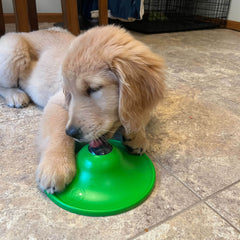
Licking, sniffing, chewing, and slower enrichment activities can help dogs decompress after exciting outings and busy days outdoors.
Instead of constantly trying to “wear your dog out,” focus on helping them wind down.
Frozen Treats Can Be Great for Warm Weather
As temperatures start warming up, frozen enrichment can become an awesome addition to your dog’s routine.
Frozen treats can:
-
Encourage slower licking
-
Support calming behaviors
-
Help with hydration
-
Provide a cooling activity after outdoor time
-
Give dogs a quiet recovery activity indoors
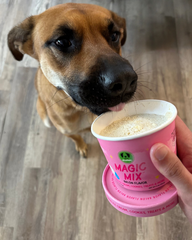
Our Stashios Magic Mix™ was designed to make enrichment simple, customizable, and easy to use for frozen treat creations during warmer months.
You can:
-
Mix it into enrichment recipes
-
Spread it onto lick surfaces
-
Freeze it for longer-lasting sessions
-
Pair it with other dog-safe additions
The goal isn’t just keeping dogs busy, it’s helping them settle and decompress in a healthy way.
Enriching Hydration for Spring and Summer
Warmer weather also means hydration becomes even more important.
Some dogs aren’t great at stopping to drink water when they’re excited outdoors, especially active dogs that become highly stimulated during play or adventures.
Using ‘enrichment-based hydration’ can encourage dogs to slow down and consume fluids more intentionally.
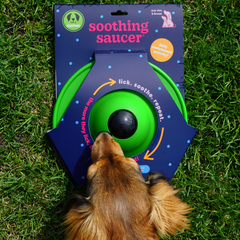
The Stashios Soothing Saucer™ can be a great option for:
-
Bone broth
-
Water-based enrichment
-
Goat milk mixtures
-
Frozen hydration treats
-
Cooling lick sessions after outdoor activity
Licking can naturally help lower arousal levels while also encouraging fluid intake, which is a win-win during warmer months.
Spring Is About Balance
Spring should absolutely be fun.
Go enjoy the trails.
Go sit on the patio.
Go explore with your dog.
But remember:
more activity should also come with more recovery.
Dogs need downtime just like athletes do.
Balancing adventure with calming enrichment, hydration, rest, and gradual conditioning can help prevent your dog from becoming physically exhausted or mentally overloaded.
One Last Spring PSA: Pest Season Is Back
Unfortunately, warmer weather also means mosquitoes, fleas, and ticks are becoming active again.
Even if your dog spends limited time outdoors, it’s a good time to talk with your veterinarian about safe and effective preventative options that fit your dog’s lifestyle, health history, and environment.
Prevention is always easier than dealing with the consequences later, especially during peak pest season.
Final Thoughts
If your dog seems extra wild, restless, or over the top this spring, you’re not imagining it.
Seasonal changes can dramatically affect behavior, energy levels, and stimulation needs.
The key isn’t always more exercise.
Sometimes it’s better recovery, better balance, and better ways to help dogs regulate themselves.
A little enrichment, hydration, decompression, and pacing can go a long way toward creating a happier, calmer spring season for both you and your dog.